
The History of Northamptonshire ACRE at Hunsbury Hill Farm
Introduction
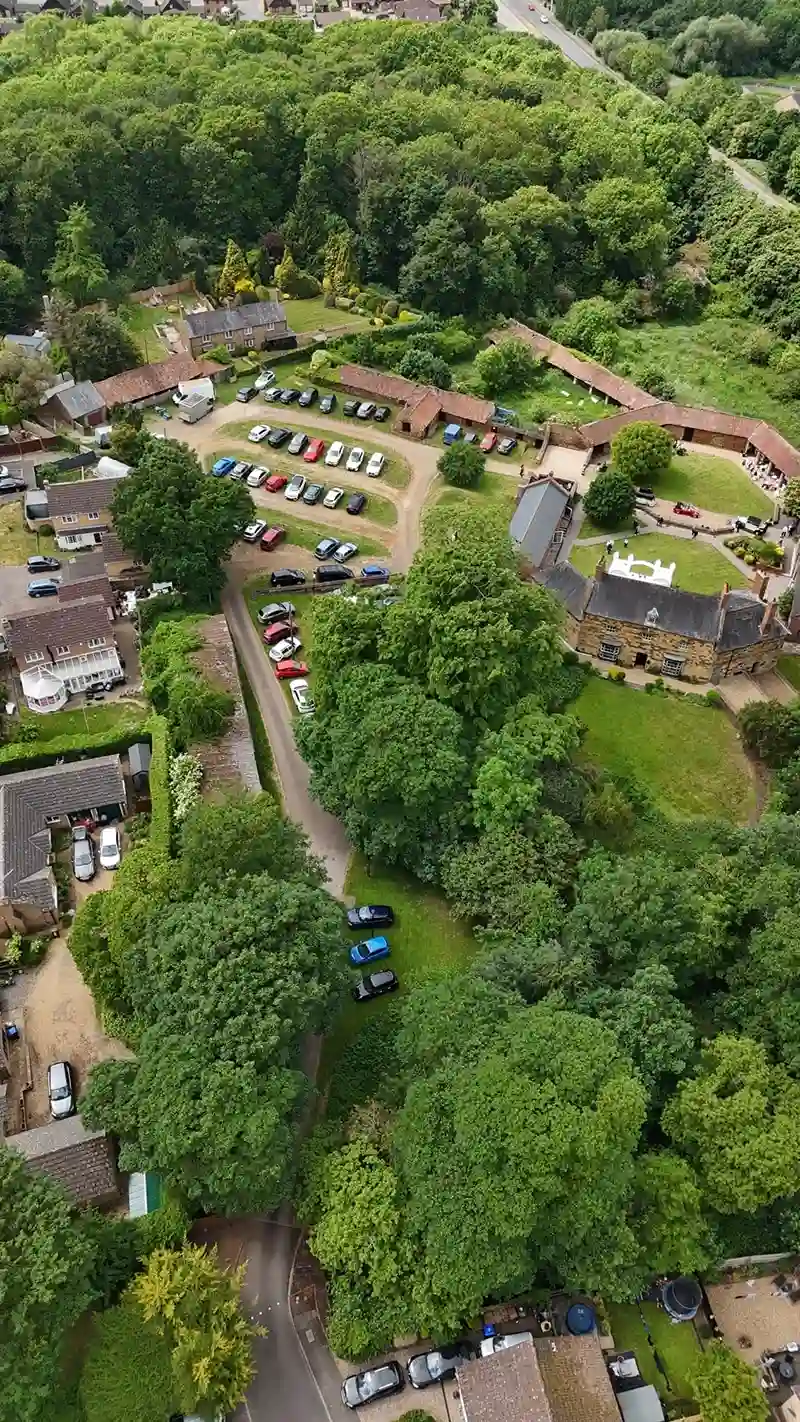
Situated on the western outskirts of Northampton, the Hunsbury Hill Centre has been home to Northamptonshire ACRE (Action with Communities in Rural England) since 1977. This historic site, a Grade II listed farmstead set in 13 acres of woodland, gardens, and grounds, offers a glimpse into the past, while also supporting the charity’s mission to champion and develop rural communities. With a rich history spanning centuries, the Hunsbury Hill Centre represents not only the vision of agricultural pioneers in the 18th century but also the continued evolution of rural community support in the modern age.
The Origins of Hunsbury Hill Farm
The origins of Hunsbury Hill Farm date back to 1770, when it was built by Edward Bouverie, a prominent landowner and a major figure in Northamptonshire’s agricultural history. Bouverie constructed the farm as part of a larger estate intended to support Delapre Abbey, his family home. It was the largest of three farms he established in the area, all designed to provide produce for the Abbey.
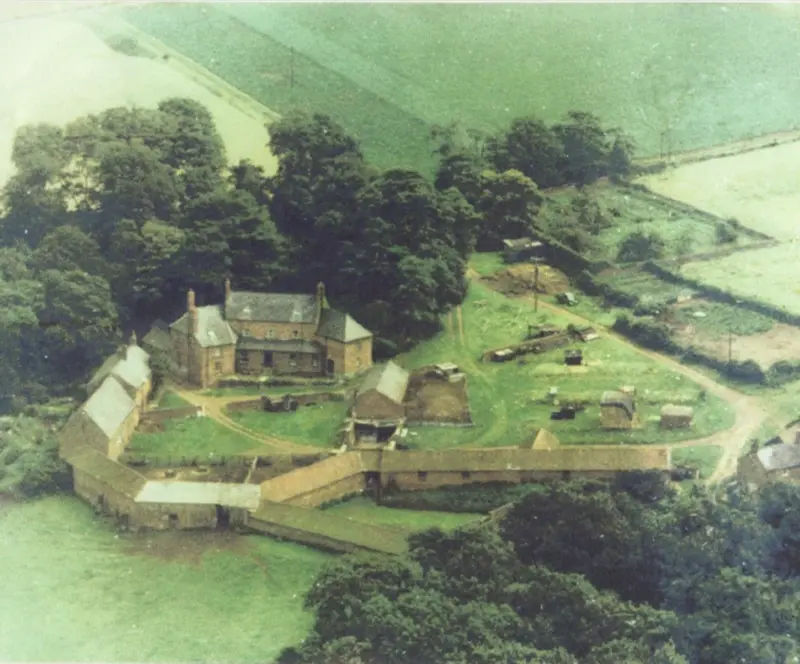
A significant feature of Hunsbury Hill Farm was that it was built as a model farm, which was a revolutionary concept in the late 18th century. These model farms were experimental in nature, designed to demonstrate the most advanced agricultural techniques and building layouts. The concept was not just about farming; it represented a vision of progress and efficiency, with an emphasis on architectural beauty, labour welfare, and community well-being. Hunsbury Hill Farm was one of the first such farms in the country and was intended to serve as a pattern for other farms across England.
The design of Hunsbury Hill Farm was based around an octagonal courtyard, with the Farmhouse, two barns (the High Barn and the Low Barn), animal pens, and hovels surrounding it. Remarkably, this layout has remained largely unchanged from the farm’s construction in 1770 to the present day. This preservation makes Hunsbury Hill Farm a rare and valuable example of an 18th-century model farm.
The Farm’s Development Through the Years
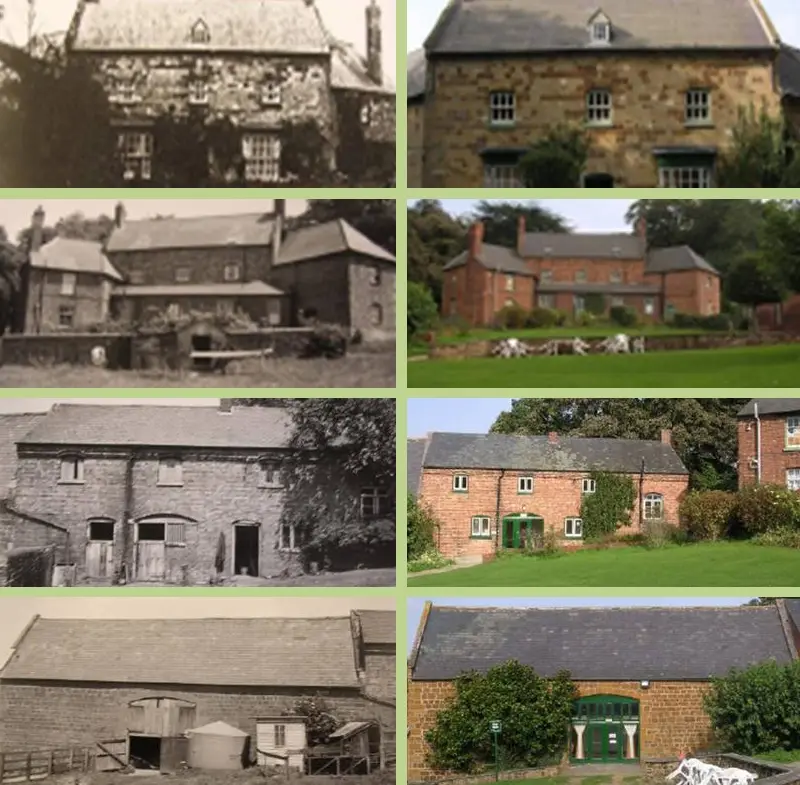
Hunsbury Hill Farm passed through many hands over the years. In 1883, it was acquired by Phipps Brewery, a major local brewery, who used the oak trees in the surrounding woodland to make barrels for their beer. During this period, the farm also played host to various tenants, including Harry Griffin, a sheep and cattle dealer who took on the tenancy in 1901. Harry and his wife Agnes were notable figures in the local social scene, with Agnes hosting parties at the farm, which were attended by Northamptonshire’s elite, including famed composer Ivor Novello.
In the late 19th century, the farm also saw the construction of a tramway through the woods, linking the quarries of Hunsbury Hill to the nearby blast furnaces. This tramway, which fell out of use by 1921, left behind a visible cutting in the woods, a lasting reminder of the industrial era that followed the farm’s agricultural roots.
Northamptonshire ACRE and the Hunsbury
Hill Centre Today
Since 1977, Northamptonshire ACRE has been based at the Hunsbury Hill Centre, using the site as both its headquarters and a venue for rural community support. The charity’s mission is to promote rural development, support local communities, and advocate for rural issues across the county. It plays a vital role in improving the quality of life for those living in rural Northamptonshire, providing guidance, advice, and services to local groups and individuals.
Northamptonshire ACRE has also launched a major renovation project to restore and preserve the historic buildings at Hunsbury Hill Farm, making them available for community use while retaining their historical integrity. The Centre’s offices are located in the Farmhouse, and the trading arm of the charity, The Barns at Hunsbury Hill, operates from the site, hosting events and offering facilities for meetings and conferences.
The Architecture and Layout of Hunsbury Hill Farm
Hunsbury Hill Farm stands as a beautiful example of Hanoverian-era farm design. The farm’s layout reflects the principles of the Enlightenment, where rational thought and aesthetics were applied to agriculture. The buildings were designed not only to be functional but also to be aesthetically pleasing, with an emphasis on symmetry and efficiency.
The Farmhouse is at the heart of the site, surrounded by the High Barn and Low Barn, as well as various sheds and animal pens. This layout, centred around the octagonal courtyard, is unique to the site, and no similar farmstead in the county is known to exist.
The design and construction of the farm were overseen by Edward Bouverie, who enlisted the help of an architect, though it is believed the layout was heavily influenced by an earlier design by the famous architect Sir Robert Taylor. The farm buildings were constructed to serve as a demonstration of best practice, offering insight into advanced farming techniques and innovative building designs of the time.
The Role of Rural Community Councils
Northamptonshire ACRE is part of a larger network of rural community councils (RCCs) across England. These organisations have a long history of advocating for rural communities and promoting rural development. RCCs were established in the early 20th century, with a focus on improving the lives of people living in the countryside through local initiatives, support for rural businesses, and the provision of advice and resources.
The history of rural community councils is deeply intertwined with the broader development of rural England. In the post-war period, these councils grew in influence, with a particular focus on housing, transportation, and infrastructure. Today, RCCs like Northamptonshire ACRE continue to support rural communities, helping to tackle issues such as isolation, access to services, and sustainable development.
At Hunsbury Hill, Northamptonshire ACRE serves as a hub for these initiatives, using the Centre as a focal point for rural development projects, advice, and outreach to the local population. The charity’s work extends beyond the farm’s historic walls, engaging with communities across the county to ensure that rural life remains vibrant and sustainable.
The Hunsbury Hill Centre is not just a site of historical significance but a living testament to the ongoing work of Northamptonshire ACRE in supporting and developing rural communities. The preservation of the farm buildings and their continued use for modern rural initiatives showcases the blending of history and progress.
As one of the earliest examples of a model farm, Hunsbury Hill Farm’s design and history provide insight into the agricultural advancements of the 18th century, while the ongoing work of Northamptonshire ACRE demonstrates how rural communities continue to evolve. By preserving this historic site and making it a centre for rural development, Northamptonshire ACRE honours the past while shaping the future of rural life in the county.
If you’re interested in getting involved or learning more about Northamptonshire ACRE’s work, visit the charity’s website for further details.